
On-chain vs off-chain swaps explained
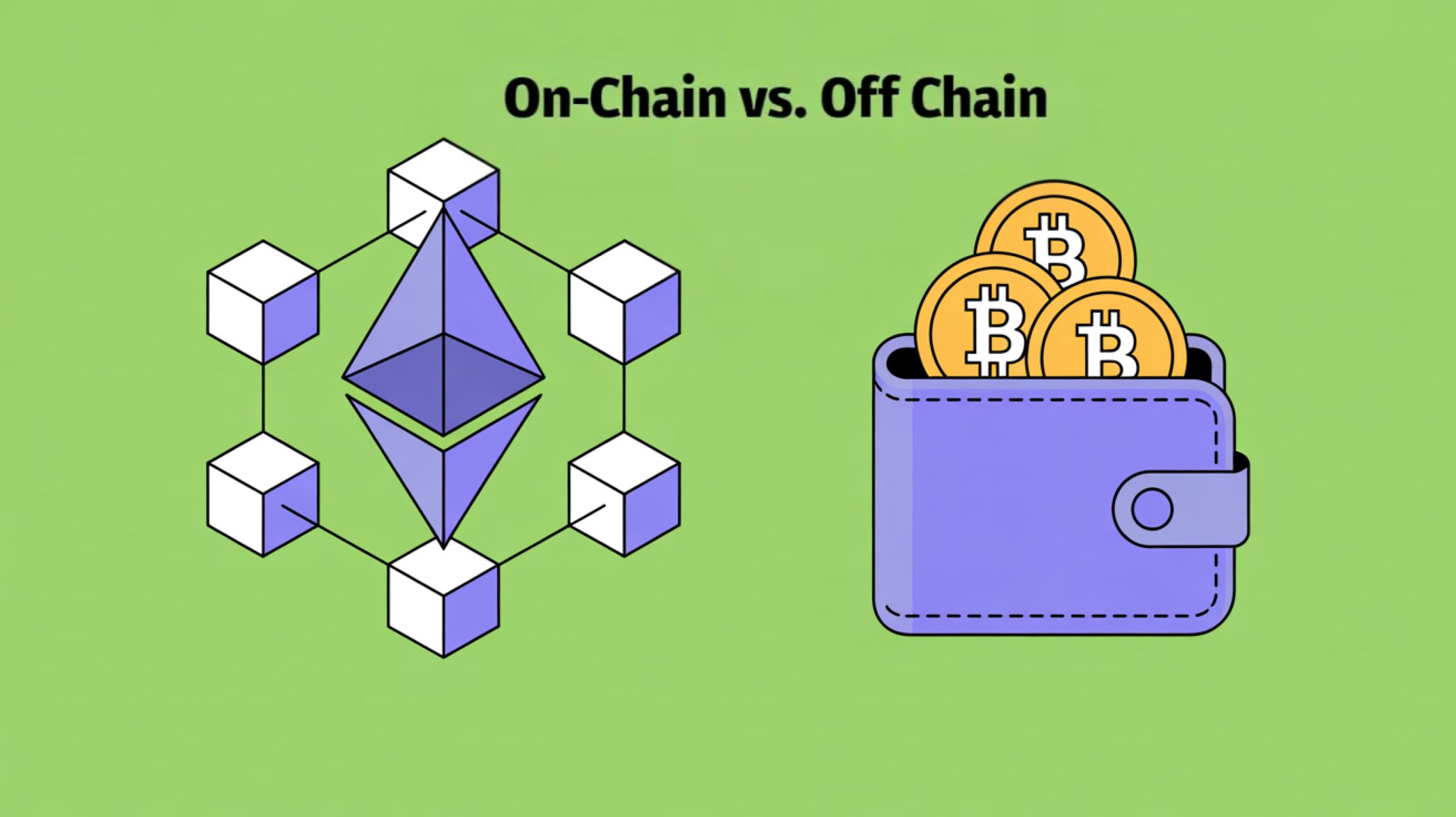
Ever wondered where your crypto actually moves when you make a trade? Is it always happening on the blockchain, out in the open? Or could it be shifting hands quietly behind the scenes? Let’s break down on-chain vs off-chain swaps, not in stiff technical jargon, but in a way that actually makes sense to you. Whether you’re just dabbling in DeFi or looking to sharpen your crypto strategy, this guide will untangle the complexities and give you the upper hand.
What Is a Swap in Crypto Terms?
A swap in the crypto world refers to the direct exchange of one digital asset for another. Unlike traditional trading where you might sell Bitcoin for fiat currency and then use that cash to buy Ethereum, a swap cuts out the middle step. You’re essentially trading one crypto token for another in a single, streamlined transaction. This is usually done via decentralized exchanges (DEXs) or certain wallet interfaces that support swap functions.
What makes swaps especially appealing is their simplicity and speed. There’s no need to transfer funds between multiple wallets or platforms. You connect your wallet, choose the token you want to exchange, select the one you want to receive, and confirm the trade. Behind the scenes, smart contracts handle everything—executing the swap instantly and securely.
Swaps are particularly useful for users who want to diversify their portfolios or respond quickly to market changes without the delays of withdrawing or converting to fiat. Because there’s no order book involved (like on traditional exchanges), you’re swapping based on current liquidity pool prices, not placing bids and asks. This reduces wait times and makes the process more accessible to everyday users.
However, swaps aren’t always cost-free. You still have to consider network fees (especially on blockchains like Ethereum), slippage, and the quality of the liquidity pool you’re tapping into. But despite these variables, swaps remain one of the most efficient tools in a crypto user’s toolkit—ideal for fast, peer-to-peer asset conversion without relying on a centralized intermediary.
Understanding On-Chain Swaps
| Platform | Blockchain | Fee Structure | Best For | Unique Feature |
| Uniswap | Ethereum | Variable gas + 0.3% | General token swaps | Most liquid DEX on Ethereum |
| PancakeSwap | BNB Chain | Low gas + 0.25% | Fast, low-fee transactions | High-volume trading with low fees |
| SushiSwap | Multi-chain | Similar to Uniswap | DeFi yield opportunities | Liquidity mining and multi-chain access |
| Curve Finance | Ethereum | Extremely low | Stablecoin swaps | Low-slippage pools optimized for stables |
| Balancer | Ethereum | Dynamic fees | Custom portfolios | Weighted liquidity pools for flexibility |
Perks of On-Chain Swaps
On-chain swaps offer a wide range of advantages that have made them a go-to choice for many crypto users who value transparency, control, and decentralization. Here’s a detailed look at the biggest benefits of on-chain swaps:
- Full Transparency for Every Transaction
One of the core advantages of on-chain swaps is that every detail is permanently recorded on the blockchain. Anyone can view the transaction history, from the amount and type of tokens swapped to the exact time and the wallet addresses involved. This level of openness eliminates doubts about manipulation or hidden fees and builds trust among users. - Trustless System with Smart Contract Automation
On-chain swaps don’t rely on a centralized party to manage the transaction. Instead, they use smart contracts—self-executing pieces of code that carry out the trade once specific conditions are met. You don’t have to place faith in a third-party exchange or escrow system. The code does all the work, reducing the chances of fraud or failure. - Decentralized and Permissionless Access
There’s no need to sign up, create accounts, or go through KYC (Know Your Customer) verification. All you need is a crypto wallet and a supported token. Whether you’re in India, Argentina, or Iceland, you have equal access to on-chain swapping features without geographic or bureaucratic barriers. - Global Accessibility, 24/7
The blockchain doesn’t sleep. On-chain swaps are available 24 hours a day, seven days a week. You’re not dependent on stock market hours or regional holidays. As long as the network is up, your swap can be executed whenever you want. - Reduced Counterparty Risk
In traditional finance or centralized exchanges, you’re trusting the other party to uphold their end of the deal. On-chain swaps eliminate that trust dependency by using transparent code and verifiable logic. There’s no need to worry about someone vanishing with your funds. - Wallet-to-Wallet Trading Without Custody Loss
Your tokens never leave your wallet until the transaction is executed. You remain in full control of your private keys, which means your funds aren’t locked or held by any exchange. This minimizes the chance of losing access due to platform failures, hacks, or insolvency.
Downsides of On-Chain Swaps
Despite all the benefits of transparency, control, and decentralization, on-chain swaps aren’t perfect. One of the biggest challenges users face is the high network fees—often referred to as gas fees. Every action taken on the blockchain, from approving a token to executing the actual swap, costs gas. On busy networks like Ethereum, these fees can skyrocket, especially during periods of high demand. What might start as a simple $50 swap could easily cost another $20–$60 in gas, making small or frequent trades impractical.
Another issue is speed. On-chain swaps aren’t always instant. The blockchain processes transactions in blocks, and depending on how congested the network is, your transaction might have to wait its turn. If you don’t set a competitive gas fee, miners may prioritize other transactions ahead of yours. This delay can be frustrating, particularly for time-sensitive trades where price volatility can erode value in just a few minutes.
Then there’s the irreversible nature of on-chain transactions. Once you hit confirm, there’s no going back. If you entered the wrong amount, selected the wrong token, or made a mistake in slippage tolerance, the blockchain doesn’t offer an undo button. Unlike centralized exchanges where some errors might be reversed or refunded after support interaction, on-chain swaps are final. This puts the full responsibility on the user, which can be daunting for newcomers.
Finally, complexity and risk are still barriers for many. Using decentralized platforms requires a basic understanding of wallets, slippage settings, contract approvals, and gas optimization. One wrong move—like approving a malicious smart contract—can lead to permanent loss of funds. The ecosystem is evolving, and tools are improving, but for those unfamiliar with how blockchain transactions work, the learning curve and risks involved in on-chain swapping can be intimidating.
Let’s Talk About Off-Chain Swaps
| Platform | Type | Blockchain Integration | Best Use Case | Key Advantage |
| Binance | Centralized Exchange | Multi-chain | High-volume crypto trading | Extremely high liquidity |
| Loopring | Layer 2 Rollup (Ethereum) | Ethereum L2 | Scalable DEX with low fees | Fast trades with Ethereum security |
| Lightning Network | State Channel (Bitcoin) | Bitcoin | Microtransactions and instant pay | Near-zero fees and instant speed |
| Thorchain | Cross-chain Swap DEX | Multi-chain (native) | Direct swaps between blockchains | Decentralized, multi-chain swaps |
| Polygon (w/ CEXs) | Layer 2 / Sidechain | Ethereum-compatible | Off-chain scaling for DeFi apps | Low-cost trading and high throughput |
Perks of Off-Chain Swaps
Off-chain swaps have become a major part of the crypto trading ecosystem, and it’s easy to see why. They offer speed, efficiency, and a level of convenience that on-chain systems sometimes struggle to match. Below is a detailed breakdown of the key advantages that make off-chain swaps appealing for traders of all experience levels:
- Lightning-Fast Transaction Speed
Off-chain swaps don’t rely on blockchain confirmations or block times, which often cause delays in on-chain swaps. Instead, they use centralized servers or optimized Layer 2 networks that process trades almost instantly. This is a major advantage for high-frequency traders or anyone looking to move quickly in volatile markets. - Low to Zero Transaction Fees
One of the most attractive benefits of off-chain swaps is the near elimination of gas fees. Since transactions aren’t broadcast directly to the blockchain, there’s no need to pay miners or validators. Most platforms either subsidize the fees or integrate them into the spread, allowing users to trade without worrying about fluctuating gas costs. - Improved Trade Privacy
In an off-chain environment, trades aren’t immediately published on a public ledger. This provides a higher level of privacy compared to on-chain swaps, where anyone can view your wallet activity and transaction history. For traders who value discretion or want to avoid MEV bots and front-running, off-chain methods offer a strategic edge. - Ease of Use for Beginners
Centralized platforms like Binance or Coinbase make the swap process incredibly user-friendly. There’s no need to manually set gas limits, approve tokens, or interact with smart contracts. Everything is done with a few clicks, making it ideal for those who are new to crypto or prefer a more intuitive experience. - Batch Processing and Scalability
Layer 2 solutions and other off-chain technologies allow for batch processing of thousands of transactions, dramatically increasing throughput. This scalability enables off-chain swaps to handle massive trading volumes without congesting the base layer blockchain. - Flexible Asset Support Across Chains
Off-chain swaps often support a broader range of trading pairs, including cross-chain swaps and wrapped assets. This flexibility allows users to move between ecosystems (e.g., BTC to ETH) more easily than on-chain platforms that are usually limited to their native tokens. - Integrated Services Like Fiat On-Ramps
Many centralized platforms offer integrated services like fiat deposits, withdrawals, and even credit card purchases. This makes it easy for users to enter or exit crypto positions directly through off-chain swaps, bridging the gap between traditional finance and digital assets. - Higher Liquidity and Better Prices
Centralized exchanges typically have much deeper liquidity than decentralized on-chain alternatives. This leads to tighter spreads and better execution prices, especially for large trades. Slippage is minimized, and users can trade large volumes without affecting the market price dramatically. - Trade Reversibility and Support Options
Unlike irreversible on-chain transactions, some off-chain platforms offer customer support and limited reversibility for mistaken trades or technical errors. While this isn’t guaranteed, it adds a safety net that simply doesn’t exist in the fully trustless DeFi world.
Downsides of Off-Chain Swaps
Off-chain swaps may offer speed and convenience, but they come with significant trade-offs—chief among them is the need for trust. Unlike on-chain transactions that rely on immutable code, off-chain swaps usually involve intermediaries such as centralized exchanges or custodial services. This means you’re placing your faith in a third party to execute the swap fairly, securely, and without error. If that party experiences a breach, downtime, or decides to withhold your funds, you have little immediate recourse.
Another concern is the lack of transparency. Since off-chain transactions are not recorded on the blockchain in real time (or sometimes at all), there’s limited visibility into what’s really going on behind the scenes. This opens the door to manipulation, front-running, and other malicious activities that can affect prices and fairness in trading. Users have to rely on the internal logs and honesty of the platform operator, which isn’t always ideal in the world of decentralized finance.
Settlement delays are also a known issue with off-chain swaps. Even though the initial trade might be fast, the actual transfer of ownership or funds can be delayed—especially on centralized platforms where withdrawals and deposits are processed in batches. This delay can be problematic during periods of high market volatility, as price slippage becomes a serious concern if the market moves against your position before the trade is finalized.
Lastly, there’s the matter of jurisdiction and regulation. Off-chain swaps conducted via centralized entities are often subject to local laws, compliance procedures, and potential intervention by authorities. In contrast to on-chain swaps that operate globally and permissionlessly, off-chain swaps can be blocked, frozen, or reversed under certain conditions. This introduces a legal and operational uncertainty that many crypto users actively try to avoid.