
How to swap between blockchains (cross-chain swaps)
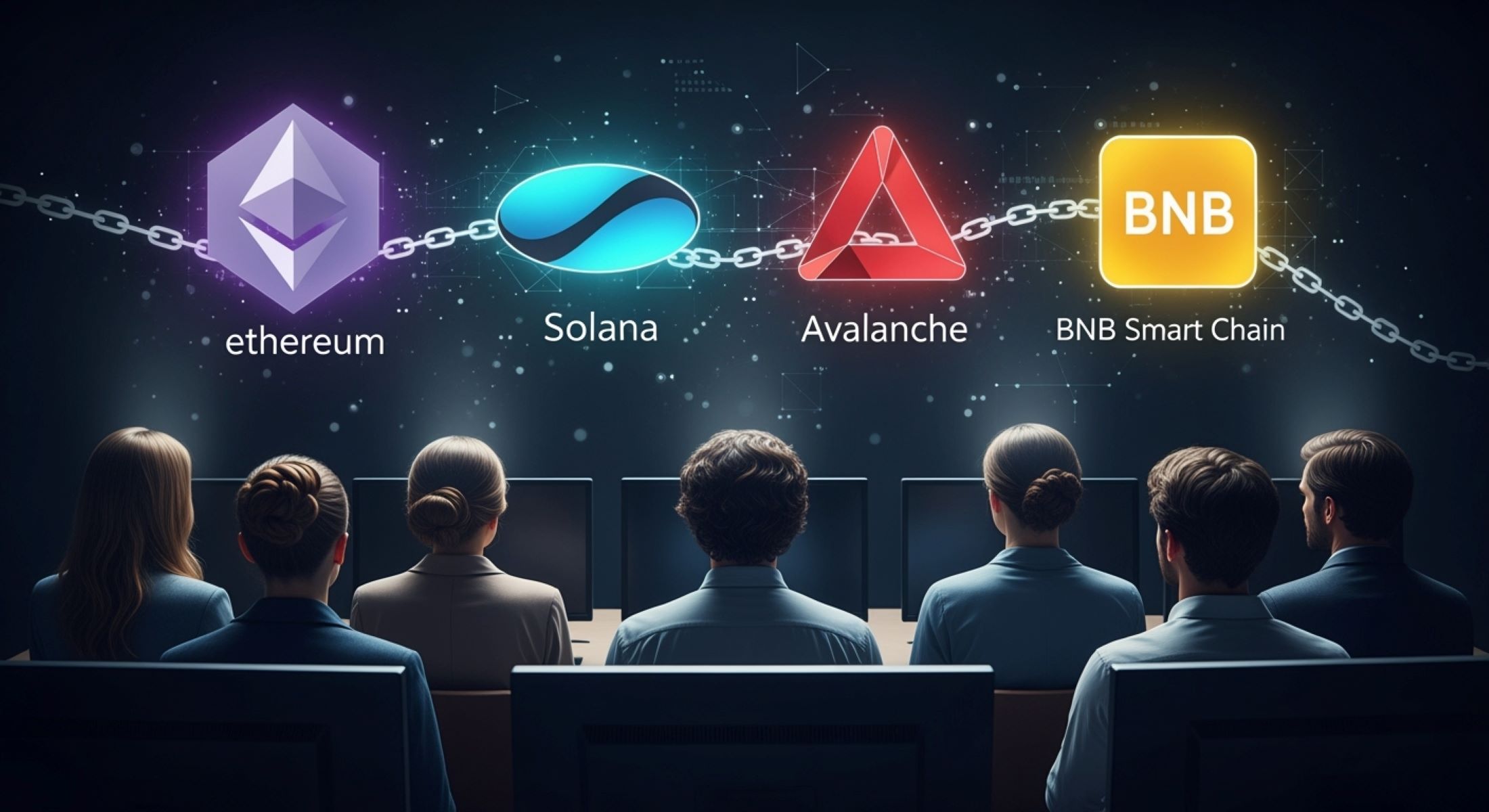
Swapping tokens between blockchains used to be a serious hassle. You’d need multiple wallets, centralized exchanges, and a lot of hope that your funds wouldn’t disappear mid-transaction. But now? Cross-chain swaps have changed the game. If you’ve ever asked yourself, “How do I move my tokens from Ethereum to BNB Smart Chain without going through an exchange?” — you’re in the right place. Let’s break it all down like you’re sitting with a crypto-savvy friend who’s walking you through it, step by step.
What Is a Cross-Chain Swap?
A cross-chain swap is a way to exchange one cryptocurrency for another that exists on a completely different blockchain network, all without having to use a centralized exchange. Traditionally, users had to move their funds to an exchange like Binance or Coinbase, convert them, and then withdraw them to another chain. This process was time-consuming, costly, and exposed users to custodial risk. Cross-chain swaps eliminate the need for intermediaries and allow for a direct, wallet-to-wallet transfer across chains.
This type of swap plays a crucial role in the evolving world of decentralized finance (DeFi), where users operate across many different blockchain ecosystems. Each blockchain—whether it’s Ethereum, Solana, Avalanche, or BNB Smart Chain—has its own token standards, consensus mechanisms, and limitations. Cross-chain swaps make these differences invisible to the user by handling the complex behind-the-scenes logic needed to execute the transaction securely and efficiently. This opens the door to new forms of liquidity, better yield opportunities, and greater flexibility in managing crypto assets.
At its core, a cross-chain swap isn’t just a simple trade between tokens. It’s the digital equivalent of teleporting your assets from one blockchain universe to another without changing their fundamental value. For example, you might swap ETH on Ethereum for AVAX on Avalanche. While the tokens live on different chains and are not natively compatible, cross-chain swap technology makes it possible to complete that exchange in a few clicks, often with the help of smart contracts, bridges, and liquidity pools.
As blockchain technology matures, cross-chain swaps are becoming more seamless, automated, and integrated into everyday wallet experiences. They’re no longer tools only for developers or hardcore DeFi users. Today, even casual crypto holders can benefit from this innovation, accessing new dApps and ecosystems without learning how to manage multiple wallets or deal with centralized exchanges. This shift is helping to turn a fragmented blockchain landscape into a more unified and interoperable Web3 future.
Why Cross-Chain Swaps Matter
| Feature | Explanation | Benefit | Compared to CEX | Impact on Users |
| Eliminate Middlemen | Cross-chain swaps remove the need for centralized exchanges or third parties to facilitate trades. | Users control their funds without intermediaries. | CEX requires trusting the platform with custody. | Greater security and less risk of hacks or freezes. |
| Full Custody | Users keep ownership of their private keys and assets throughout the swap process. | No need to deposit tokens to external platforms. | CEX holds your funds during trading. | More control and ownership over assets. |
| Faster and Cheaper | Many cross-chain swap protocols optimize routes and reduce fees by using decentralized bridges and smart contracts. | Lower transaction costs and quicker settlements. | CEX withdrawals and deposits can be slow and expensive. | Saves time and money during swaps. |
| Preserve Privacy | Cross-chain swaps happen directly between wallets, limiting the amount of personal data shared. | Less exposure of transaction history or identity. | CEX collects and stores user data per regulations. | More anonymity and protection of user privacy. |
| Support DeFi-Native Flows | Designed to work seamlessly with decentralized finance protocols across multiple blockchains. | Enables new financial products and liquidity access. | CEX limits DeFi interactions to its own platform. | Empowers users to fully participate in Web3 ecosystems. |
The Two Main Types of Cross-Chain Swaps
There are two main ways to perform a cross-chain swap, each with distinct processes and trade-offs. Understanding these methods will help you choose the best option for your needs.
- On-chain cross-chain swaps are powered entirely by smart contracts, ensuring that the entire swapping process happens transparently and trustlessly on the blockchain.
- These swaps enable you to exchange assets directly between different blockchains without relying on any centralized authority or intermediary.
- The process often involves bridging mechanisms or interoperable protocols that lock tokens on one chain and release equivalent tokens on another, or utilize liquidity pools spanning multiple chains.
- Popular platforms for on-chain swaps include THORChain, which allows native asset swaps without wrapping tokens; Chainflip, focused on decentralized, multi-chain liquidity; and Stargate, a protocol enabling cross-chain liquidity transfers across various blockchains.
- Off-chain cross-chain swaps rely on intermediaries or centralized services to facilitate the asset exchange behind the scenes rather than executing the entire swap on-chain.
- This method generally offers faster transaction speeds and a smoother user experience but requires placing a degree of trust in the service provider to manage and transfer your assets securely.
- Off-chain swaps can involve centralized exchange bridges, cross-chain swap features within centralized exchanges, or wallet aggregators that connect multiple liquidity sources to execute swaps off-chain.
- Examples of off-chain cross-chain swap services include Binance Bridge, which connects Binance Smart Chain with other blockchains through Binance’s infrastructure; centralized exchange swap functions that simplify token transfers across chains without manual intervention; and aggregator platforms like Rango and OpenOcean that coordinate multiple bridges and liquidity pools to offer seamless cross-chain swaps.
How On-Chain Cross-Chain Swaps Work
When you decide to swap ETH on Ethereum for AVAX on Avalanche using an on-chain cross-chain swap, a complex series of steps takes place behind the scenes to ensure your assets move securely and accurately between the two blockchains. The process starts when you initiate the swap through a decentralized exchange (DEX) aggregator or a specialized swap interface designed to handle cross-chain transactions. This interface communicates with the underlying smart contracts and protocols that manage the swap, giving you a seamless user experience without exposing you to the technical complexities.
Once you confirm the swap, the smart contracts on the Ethereum blockchain lock your ETH. This locking mechanism effectively holds your tokens in a secure contract, ensuring they cannot be moved or spent while the swap is in progress. This step is crucial because it guarantees that the ETH you want to swap is accounted for and prevents any double spending or loss during the bridging process. The locked ETH essentially acts as collateral while the swap is being verified.
Meanwhile, the bridge protocol—which acts like a trusted courier—monitors the Ethereum blockchain for the locked tokens and verifies the transaction’s authenticity. Once it confirms that your ETH is securely locked, the protocol triggers the release or minting of the equivalent amount of AVAX tokens on the Avalanche blockchain. This part is where the “cross-chain” magic happens, as the bridge connects two separate blockchains and enables the value transfer without relying on a centralized authority.
Finally, after the verification and execution steps, the AVAX tokens are released to your Avalanche wallet, completing the swap. Although this sequence might seem straightforward, it requires sophisticated coordination between different blockchain networks, smart contracts, and consensus mechanisms. The whole process functions like blockchain diplomacy, where multiple decentralized systems communicate and cooperate in real-time to securely move assets across chains without compromising trust or security.
The Role of Bridges in Cross-Chain Swaps
| Bridge | Supported Chains | Type | How It Works | Key Advantages |
| Stargate | Ethereum, BNB Smart Chain, Polygon, Avalanche, Fantom, Optimism, Arbitrum | Liquidity-based | Uses pooled liquidity across chains to enable instant token swaps without wrapping assets. | Fast swaps, low slippage, wide chain coverage |
| Wormhole | Solana, Ethereum, BNB Smart Chain, Aptos, Terra, Avalanche | Wrapped assets | Locks tokens on the source chain and mints wrapped versions on the destination chain. | Supports non-EVM chains, widely adopted in Solana ecosystem |
| Synapse | Arbitrum, Avalanche, Optimism, Ethereum, BNB Smart Chain, Polygon, Fantom | Multi-token | Supports multiple tokens and chains with a flexible protocol enabling cross-chain liquidity. | Versatile, supports many tokens and chains, scalable |
| Multichain | 25+ blockchains including Ethereum, BNB, Polygon, Avalanche, Fantom, Solana | Hybrid | Combines liquidity pools and wrapped assets to enable flexible cross-chain transfers. | Extensive chain support, hybrid model balances speed and decentralization |
Top Tools for Seamless Cross-Chain Swaps
Navigating cross-chain swaps no longer requires juggling multiple wallets, memorizing contract addresses, or worrying about complex blockchain compatibility. Thanks to a growing number of user-friendly platforms and protocols, you can swap assets smoothly across chains with minimal effort. Here’s a detailed list of some of the best tools that do all the heavy lifting for you:
- Rango Exchange: A powerful multi-chain decentralized exchange and bridge aggregator that connects dozens of blockchains. It offers users an easy interface to swap tokens across chains using a variety of underlying bridges, optimizing for cost and speed. Rango supports many popular blockchains and handles all the technical complexity behind the scenes.
- FI: A cross-chain middleware protocol that integrates with popular wallets and dApps like 1inch, Zerion, and others. LI.FI acts as a routing layer to find the best bridge and swap routes, ensuring users get efficient and secure cross-chain swaps. Its extensive API allows developers to embed cross-chain functionality effortlessly.
- Squid Router: Built on top of the Axelar network, Squid Router provides truly any-to-any chain swaps. It enables seamless interoperability between different blockchain ecosystems by leveraging Axelar’s universal interoperability protocol, simplifying cross-chain asset transfers and swaps without wrapping or complex steps.
- THORSwap: A native asset swap platform that lets users exchange tokens directly between chains without relying on wrapped assets. By utilizing the THORChain protocol, it ensures trustless, decentralized swaps with cross-chain liquidity pools. It’s especially popular among users seeking native token exposure and true decentralization.
- MetaMask Snaps: An extension to the popular MetaMask wallet that expands its support beyond Ethereum-compatible (EVM) chains. MetaMask Snaps allows users to interact with non-EVM blockchains, making it easier to manage multi-chain assets and perform cross-chain swaps without switching wallets. This innovation helps unify the user experience across diverse blockchain networks.
- OpenOcean: A comprehensive aggregator that combines liquidity from both centralized and decentralized exchanges, supporting cross-chain swaps with an optimized routing system. It covers many blockchains and ensures users receive the best prices and lowest slippage for their trades.
- Anyswap/Multichain: A widely used cross-chain swap protocol that supports numerous blockchains. It offers seamless bridging and swapping with hybrid technology combining liquidity pools and wrapped tokens. It’s known for its extensive network coverage and reliability.
- Portal Token Bridge (Wormhole): Wormhole’s token bridge connects major chains like Solana, Ethereum, BNB, and others by locking and minting wrapped tokens. The portal provides a fast, secure option for moving assets cross-chain, especially popular in the Solana ecosystem.
- Synapse Protocol: A multi-chain protocol supporting instant swaps and transfers across many blockchains. Synapse focuses on high-speed cross-chain liquidity with support for native tokens and a broad selection of networks.
- LayerZero: An omnichain interoperability protocol that allows seamless communication between different blockchains. Many decentralized applications and bridges use LayerZero to enable cross-chain swaps and asset transfers with low fees and high security.